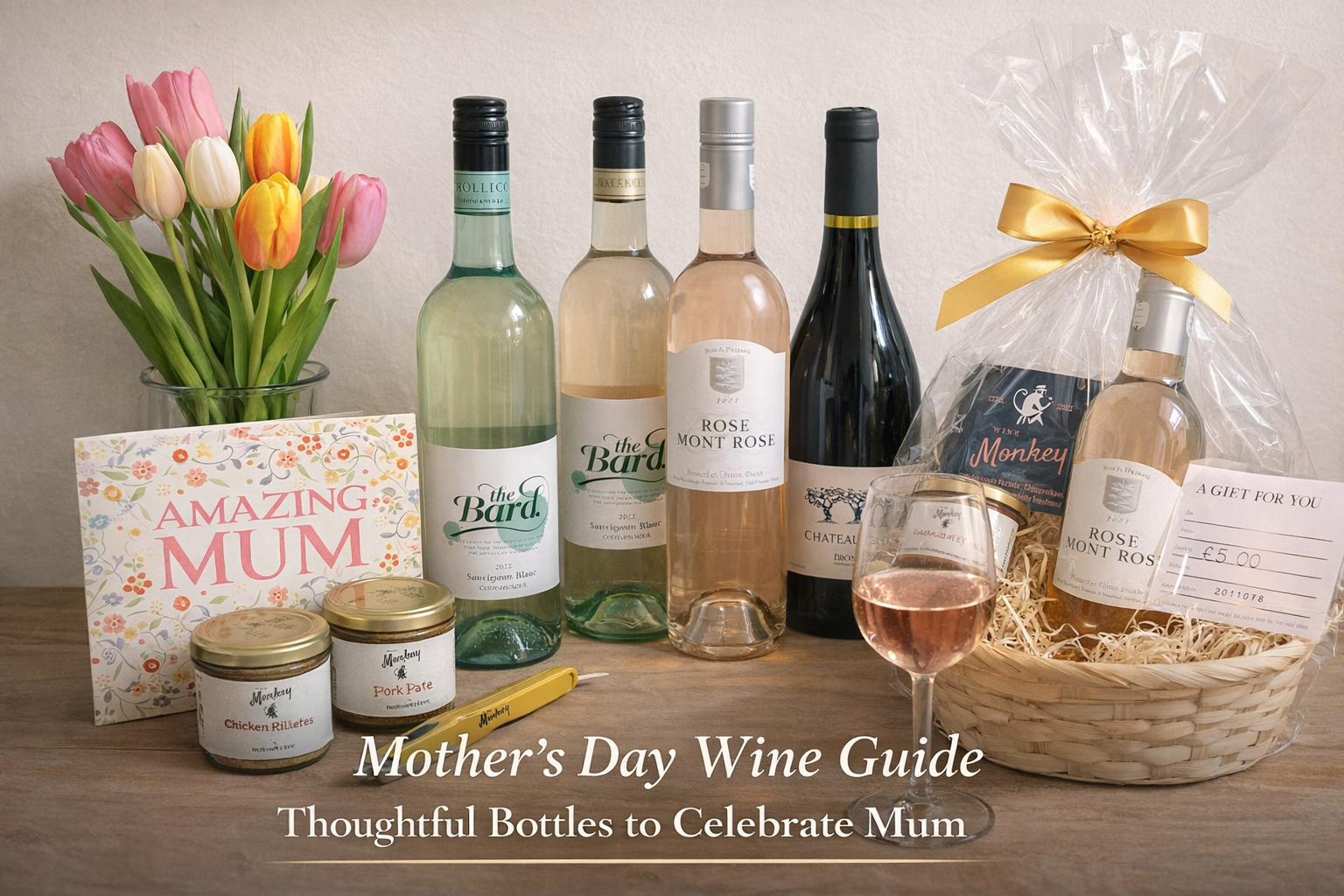

We know that wine can feel intimidating — rows upon rows of bottles, confusing labels, and snobby terminology that can leave anyone feeling overwhelmed.
But the truth is, finding a wine you like isn’t as complicated as it may seem. Whether you’re new to wine or simply looking to broaden your palate, this guide will help you discover a wine that suits your taste.
In the end, it all comes down to your personal preference – so don’t stress, and enjoy the wine!
1. Understand the basic principles of wine
Before diving in, it’s helpful to understand the primary types of wine:
- Red wine: Made from dark-coloured grape varieties, red wines are often fuller-bodied and can have flavours ranging from fruity to earthy.
- White wine: Typically lighter and crisper, white wines are made from white (or red grapes with their skins removed). Common flavours include citrus, green apple, or floral notes.
- Rosé wine: A pink wine made by allowing the grape skins to have brief contact with the juice. It strikes a balance between the richness of reds and the brightness of whites.
- Orange wine: Gets its colour from long-macerated white grapes, retaining the grape skin during the winemaking process like red wine. Generally rather dry, and develops very broad palettes depending on the region: fruity, acidic, floral.
- Sparkling wine: The bubbly stuff—like Champagne or Prosecco—brings effervescence, making it perfect for celebrations or simply adding sparkle to a casual night.
- Dessert wine: Sweeter, higher in alcohol and often more concentrated, these wines pair beautifully with desserts or can be enjoyed on their own.
The key is to start exploring these categories and narrow down what appeals to your taste buds.
2. Explore your flavour preferences
Just as with food, everyone has different tastes when it comes to wine. Here are a few ways to pinpoint what you might enjoy:
- Do you prefer sweet or dry? Dry wines have little to no sugar, while sweet wines have a noticeable sweetness. If you like a sweeter profile, try wines like Moscato or Riesling. If you lean toward drier options, explore Cabernet Sauvignon or Chardonnay.
- Fruity vs. earthy: Some wines are fruit-forward with flavours like cherry, blackberry, or peach. Others have earthy or herbal undertones, resembling mushrooms, tobacco, or spices.
- Acidity levels: Wines with high acidity taste crisp and refreshing, like a squeeze of lemon. If you enjoy this zing, try Sauvignon Blanc or Riesling
- Tannin content: Tannins give red wine its characteristic dryness and astringency. If you enjoy a robust, mouth-puckering sensation, opt for tannic wines like Malbec or Syrah.
3. Try before you buy
Sampling wines before committing to a bottle is a great way to find what you like:
- Wine tastings: Wine shops (including us here at Wine Monkey), vineyards, and restaurants host tastings. This is an excellent opportunity to try different types without the commitment.
- Wine flights: At wine bars, you can often order a “flight,” which is a small sampling of several wines. This allows you to compare different varieties side-by-side.
- Wine subscriptions: Consider joining a wine subscription service that tailors selections to your taste. Some services allow you to rate wines so they can refine your future deliveries.
4. Don’t be afraid to try new wines
Your first wine might not be love at first sip, but that’s okay! Wine preferences evolve over time, so don’t shy away from trying something new:
- Explore different regions: A Pinot Noir from Burgundy tastes different from one grown in New Zealand due to climate, soil, and winemaking techniques.
- Look out for blends: Blended wines combine multiple grape varieties, resulting in complex flavours. If you like a certain red, a blend with that grape as the main component could be a hit.
- Try different vintages: The same wine from different years can taste quite different due to weather conditions affecting the grapes.
5. Pair your wine with food
Pairing wine with food can enhance both the meal and the wine itself. A few simple rules to keep in mind:
- White wines with lighter dishes: Think fish, chicken, or salads. Sauvignon Blanc with goat cheese or Chardonnay with grilled chicken are classic combinations.
- Red wines with richer dishes: Try Cabernet Sauvignon with steak or Pinot Noir with roast duck. The tannins in red wine can cut through the richness of fatty dishes.
- Sweet wines with salty foods: A sweet Riesling or Moscato pairs beautifully with spicy Asian cuisine or salty snacks.
- Sparkling wines with fried foods: The bubbles cleanse your palate, making Champagne a surprisingly good match for fish and chips!
6. Read labels, but don’t rely on them
Wine labels can be daunting, but they’re not as cryptic as they may appear. Here’s what to look for:
- Grape variety: The type of grape (e.g., Merlot, Sauvignon Blanc) gives a general sense of the wine’s flavour profile.
- Region: Wines from famous regions like Bordeaux, Tuscany, or the Napa Valley often come with certain taste expectations.
- Alcohol content: Higher alcohol content generally means a fuller-bodied, richer wine. Look for ABV (alcohol by volume) on the label; wines with 13% or more tend to be bolder.
However, don’t get too caught up in labels. A bottle’s price or an elaborate label doesn’t always reflect the quality or how much you’ll enjoy it.
7. Take Notes and Keep Track
As you explore different wines, keeping notes will help you remember what you liked (and didn’t):
- Use an app: Apps like Vivino allow you to scan bottles, read reviews, and save your favourites.
- Start a wine journal: Write down the wine’s name, year, region, and what you thought of it. Over time, you’ll start seeing patterns in your preferences.
- Ask for recommendations: Once you’ve identified some favourites, your local wine shop can suggest similar bottles.
Finding a wine you like is a journey of discovery. It’s less about following strict rules and more about embracing the process of trial and error. Trust your own taste buds, have fun with it, and remember: the best wine is the one you enjoy.
Happy sipping, and let us know if you’ve found any favourite wines or grape varieties so far!